
How to Develop an App: A Practical Overview

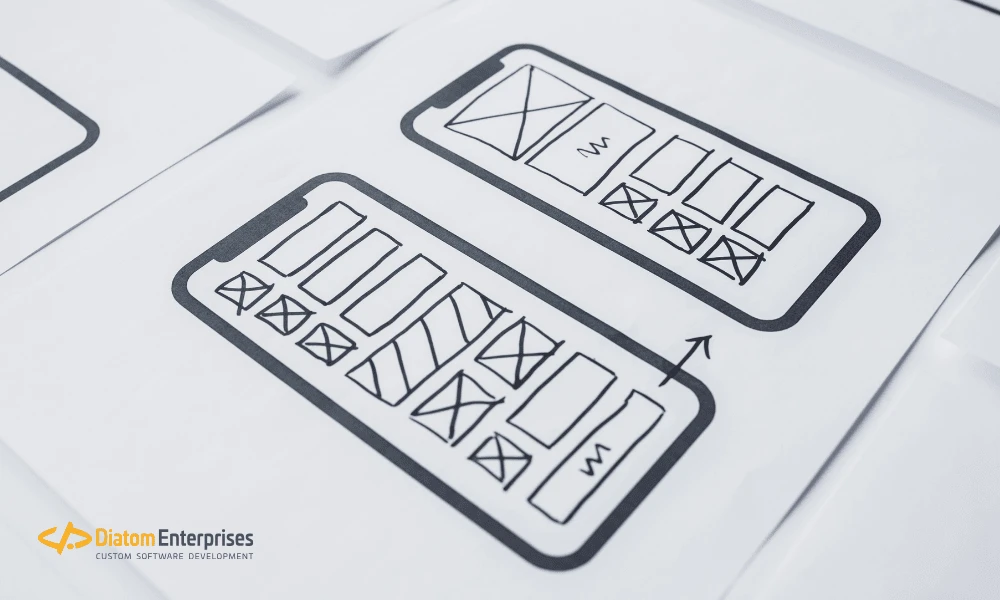
Table of content
So, you have an idea for an application. You’ve seen a gap in the market, a problem to solve, or a unique service to offer. That’s the exciting first step. But it often leads to the daunting question: “I want to create an app, where do I start?” Knowing how to develop an app starts here: the journey from a brilliant concept to a successful, market-ready mobile application is a structured process, not a stroke of luck. It involves careful planning, technical expertise, and a deep understanding of your users. As a custom software development company in business since 2004, we’re here to demystify the process and guide you from initial spark to successful launch.
From App Idea to Actionable Blueprint
Before a single line of code is written, the most critical work happens. This foundational stage turns a raw idea into a viable project plan, setting the stage for everything that follows. Getting this right is the key to avoiding costly mistakes and building an app that users will actually download and love.
Your journey begins with validating your app idea. An idea that sounds great in a boardroom needs to be tested against market reality. This involves deep market research to understand your target audience, their pain points, and their behaviors. Who are you building this for? What problems will your app solve for them? Exploring forums like Reddit can be surprisingly insightful; threads where people ask how to develop an app on Reddit often reveal raw, unfiltered user needs and frustrations with existing solutions. This research helps you refine your concept into something with a clear purpose and a defined audience.
Once you understand the market, you must analyze your competition. It’s rare to have an idea in a complete vacuum. What are competing apps doing right? More importantly, where are their weaknesses? This is your opportunity to differentiate. Our philosophy is built on helping you capitalize on your business individuality. Your app shouldn’t just be another option; it should be the better option by offering a unique feature, a superior user experience, or by serving a niche audience more effectively.
With a validated idea, the next step is defining the core features. It’s tempting to want an app that does everything from day one, but that’s a recipe for budget overruns and delays. Instead, the smart approach is to focus on a Minimum Viable Product (MVP). This isn’t a lesser version of your app; it’s the most focused version. It contains only the essential features needed to solve the core problem for your users. Learning how to develop an app from scratch successfully means starting small, launching faster, gathering real-world feedback, and iterating.
Finally, you need a plan for monetization: subscriptions, in-app purchases, paid downloads or ads. This decision must be made early, as your monetization strategy directly influences the app’s design, user flow, and technical architecture. This strategic planning matters early, as it provides the foundation for answering two of the most common questions: how much does it cost to develop an app and how long does it take to develop an app.
The Nuts and Bolts of App Creation
With a solid blueprint in hand, it’s time to move into the design and development phase. This is where your vision starts to take tangible form, transforming wireframes and strategy documents into a functional, interactive product on a user’s computer or smartphone.
The process starts with design, which is broken into two core parts: User Experience (UX) and User Interface (UI). UX design is the invisible architecture of the app: how it feels. It focuses on creating a logical, intuitive, and smooth journey for the user. UI design is the visual layer: how it looks. This includes everything from the color palette and typography to the buttons and icons. An app can be technically brilliant, but if it’s confusing or unattractive, users will abandon it.
Next comes the critical decision of choosing your technology stack. This is a core part of the guide on how to develop an app. Will you build a native app, specific to one platform (like iOS or Android), or a cross-platform app that works on both? Native apps offer the best performance and integration with device features. Cross-platform apps, built with frameworks like React Native, can be more cost-effective and faster to market. As a firm proficient in React, Angular, .NET, Node.js, and more, we help you make this choice based on your budget, timeline, and feature requirements. Our mobile development services help you select the technology that fits your business goals, whether you need to know how to create an app for android or a solution for multiple platforms.
This leads directly to the development stage, the answer to how to make an app with coding. Here, our developers take the UI/UX designs and the technical specifications and write “The Code.” They build the app’s front-end (what the user sees and interacts with) and the back-end (the server, database, and logic that power the app). This is a meticulous process of building features, integrating APIs, and making sure the entire system is reliable, scalable, and secure.
A common question we see is how to develop an app for free. While no-code platforms like Google AppSheet exist and can be useful for simple, internal tools, they are not a viable solution for creating a professional, scalable, and unique commercial application. A market-ready app requires custom coding, sophisticated design, and a solid back-end infrastructure: an investment in quality that “free” builders simply cannot provide.
Launch, Learn, and Grow
Developing the app is a massive milestone, but it’s not the end of the journey. The post-development phase is what turns a finished product into a successful business. This involves rigorous testing, a strategic launch, and a commitment to ongoing improvement.
Before your app reaches any user, it must undergo extensive Quality Assurance (QA) testing. A QA team tests every feature, button, and workflow across a wide range of devices and operating system versions, from older releases your users still run to the latest ones. Testers hunt for bugs, test for performance bottlenecks, check for security vulnerabilities, and make sure the user experience holds up. This phase is non-negotiable for delivering a high-quality, professional product.
With a polished and tested app, it’s time for the big launch. This involves preparing your marketing materials (screenshots, videos, and compelling descriptions) and handling the submission process for the Apple App Store and Google Play Store. Each store has its own set of rules and guidelines, and a successful submission requires careful planning and execution. This is also where App Store Optimization (ASO) comes into play, helping your app get discovered by the right users.
The journey isn’t over after launch day. In fact, it’s just beginning. The most successful apps evolve based on user feedback and data. We help you set up analytics to track user engagement, retention, and other key metrics. By monitoring user comments and behavior, you can make informed decisions about future updates, new features, and improvements. This continuous cycle of launching, learning, and iterating is what separates thriving apps from those that fade away. As a final step, make sure you get comprehensive documentation, almost like a “how to develop an app pdf” for your specific project, detailing the architecture and code for future reference.
How to Develop an App: Your 8-Step Guide
The journey from a great idea to a successful app can be broken down into a series of clear and manageable steps. By following this structured guide, you can move through the process with confidence and clarity.
- Idea Validation & Market Research: Define your target audience, identify their pain points, and confirm that your app idea has a genuine market need.
- Competitive Analysis: Study your competitors to understand their strengths and weaknesses. Find your unique angle to stand out from the crowd.
- Define Your MVP: Outline the essential features your app needs to solve a core problem for your users. Focus on building the most valuable version of your idea first.
- UX/UI Design & Wireframing: Create a smooth user experience (UX) and a visually appealing interface (UI) to ensure your app is both intuitive and attractive.
- Technology Stack Selection: Choose the right technologies for your project, considering factors like platform (native vs. cross-platform), budget, and desired performance.
- Development & Implementation: Write the code for both the front-end (what users see) and back-end (what powers the app) based on the designs and technical plan.
- Quality Assurance (QA) & Testing: Rigorously test the app across different devices to find and fix bugs, ensuring a secure, stable, and polished final product.
- Launch & Post-Launch Strategy: Submit your app to the relevant stores and plan your marketing efforts. The final step is to continuously monitor user feedback and analytics to iterate and improve.
Your Vision, Expertly Built
The path of how to develop an app is a multi-stage marathon, not a sprint. It begins with validating an idea and creating a strategic plan, moves through expert design and coding, and culminates in a strategic launch and continuous improvement. It requires a blend of business acumen, creative design, and deep technical expertise.
Managing this complex process alone can be overwhelming. By partnering with an experienced custom software development team, you transform a challenging endeavor into a managed, predictable project. We bring proficiency in web application, mobile app, and desktop software development across a wide range of technologies to make your vision a reality.
Ready to turn your concept into a high-performance application? Contact Diatom Enterprises today, and let’s build an app that capitalizes on your unique business strengths and conquers the market.


